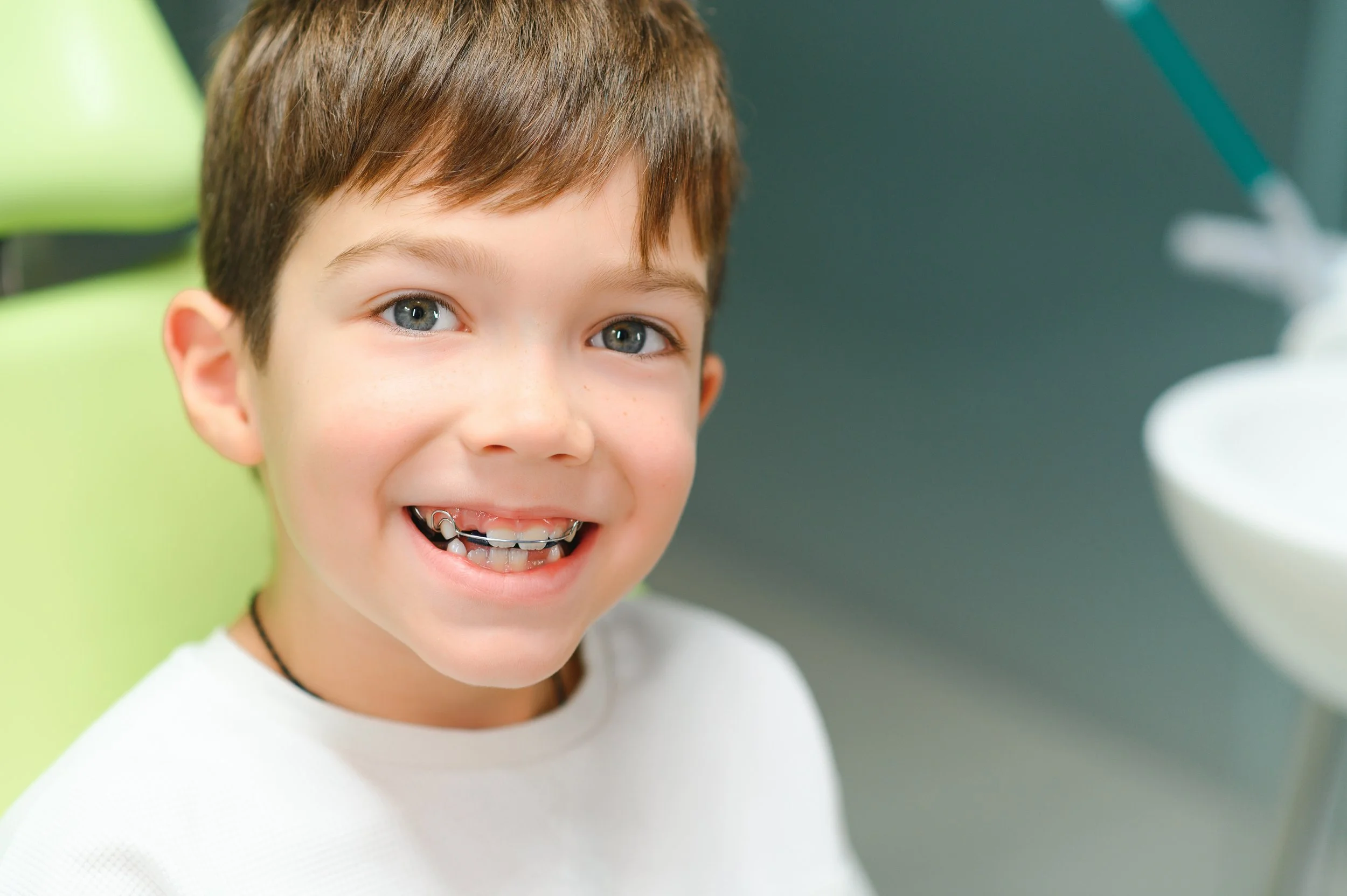
5 Signs Your Child May Need an Early Orthodontic Evaluation
Many parents associate orthodontic care with teenagers and braces, but dental development actually begins much earlier than adolescence. As children grow, their teeth and jaws go through several stages that influence how permanent teeth eventually align. Because of this, dental professionals often recommend monitoring orthodontic development long before a child is ready for braces.
Sometimes, early orthodontic evaluations are recommended during routine dental visits. Other times, parents may notice subtle changes in their child’s teeth or bite that raise questions about whether an orthodontic screening might be helpful. Recognizing these early signs doesn’t necessarily mean a child will need braces right away, but it can help dentists determine whether monitoring or early treatment may be beneficial.
Understanding what dentists look for during early orthodontic evaluations can help parents feel more confident about their child’s dental development and long-term oral health.
What’s an Early Orthodontic Evaluation?
An early orthodontic evaluation is a dental assessment that focuses on how a child’s teeth and jaws are developing as permanent teeth begin to emerge. Rather than beginning treatment immediately, the goal of this evaluation is to monitor growth patterns and identify potential concerns before they become more complex.
During the evaluation, the dentist examines how the upper and lower teeth fit together, how much space is available in the jaw, and whether teeth appear to be erupting in their expected positions. The dentist may also look for early signs of bite concerns such as crowding, spacing issues, or differences in jaw development.
In some cases, X-rays or digital images may be used to evaluate permanent teeth that haven’t yet erupted. These images allow dentists to see developing teeth beneath the gums and determine whether there’s adequate space for them to come in properly.
For many children, the evaluation simply leads to continued monitoring. Dentists often observe dental development during routine visits and recommend orthodontic treatment only when the timing is appropriate.
Why Age Seven Is Often Recommended for Orthodontic Screening
Dental professionals frequently recommend that children receive their first orthodontic evaluation around age seven. At this stage of development, most children have a mix of baby teeth and permanent teeth, which allows dentists to better assess how the bite is forming.
Because permanent front teeth and first molars typically appear around this age, dentists can begin evaluating how teeth are aligning and whether the upper and lower jaws are growing proportionally. These early observations can reveal patterns that may influence future orthodontic treatment.
An evaluation at this age doesn’t mean braces will automatically be recommended. In many cases, dentists simply monitor development over time and wait until a child is older before beginning treatment. The purpose of early screening is to identify potential concerns early so that dentists can recommend the best timing for orthodontic care if it becomes necessary.
5 Signs Your Child May Need an Early Orthodontic Evaluation
Some children are referred for orthodontic evaluations during routine dental visits, but parents may also notice certain changes at home that suggest an evaluation may be helpful.
Five common signs dentists look for include:
Teeth that appear crowded or overlapping
Front teeth that protrude significantly
Difficulty biting or chewing comfortably
Frequent biting of the cheeks or tongue
Jaws that shift or make sounds when opening or closing
These signs don’t always mean orthodontic treatment will be required. However, they may indicate that a child’s teeth or jaws aren’t developing in ideal alignment. An orthodontic evaluation allows dental professionals to determine whether monitoring or early treatment might be beneficial.
Common Bite and Alignment Concerns in Children
Early orthodontic evaluations help identify several types of bite and alignment concerns that can develop as children grow. These issues can affect both the appearance of the smile and the function of the bite.
One common concern is crowding, which occurs when there isn’t enough space in the jaw for permanent teeth to erupt properly. When teeth compete for space, they may appear rotated, overlapping, or misaligned.
Crossbites can also occur during childhood. A crossbite happens when some upper teeth sit inside the lower teeth when the child bites down. This condition can affect how the jaw develops and may lead to uneven wear on teeth over time.
Overbites and underbites are additional bite concerns dentists evaluate during orthodontic screenings. In an overbite, the upper front teeth extend significantly over the lower teeth. In an underbite, the lower teeth extend beyond the upper teeth. These conditions can sometimes influence jaw development and may require monitoring or treatment.
Dentists also evaluate spacing issues and jaw growth patterns during orthodontic screenings. Identifying these concerns early allows dental professionals to determine whether treatment may be helpful while a child is still growing.
What Happens During an Orthodontic Evaluation
An orthodontic evaluation is typically quick and comfortable for children. The dentist begins by examining the child’s teeth, gums, and bite alignment to understand how the upper and lower jaws fit together.
The dentist may also ask questions about oral habits such as thumb-sucking, pacifier use, or mouth breathing. These habits can sometimes influence dental development and may affect how teeth align over time.
In some cases, X-rays or digital images may be taken to evaluate developing permanent teeth beneath the gums. These images help dentists determine whether permanent teeth are positioned properly and whether there’s enough space in the jaw for them to erupt.
After the evaluation, the dentist typically recommends one of three approaches:
No orthodontic treatment is needed at this time
Continued monitoring during routine dental visits
Referral to an orthodontist for further evaluation
This approach ensures orthodontic care begins at the most appropriate stage of development.
What’s Interceptive Orthodontic Treatment?
In certain situations, dentists may recommend early care known as interceptive orthodontics. This type of treatment focuses on guiding jaw development or creating space for permanent teeth while a child is still growing.
Because children’s bones are still developing, certain orthodontic concerns can sometimes be addressed more easily at this stage. Early treatment may involve appliances designed to guide jaw growth, maintain space for permanent teeth, or correct bite problems before they become more severe.
However, many children don’t require interceptive treatment. In these cases, dentists simply monitor growth and recommend orthodontic care later when the child is older.
Monitoring dental development early helps ensure that orthodontic treatment begins at the right time, which can make treatment more efficient and effective.
The Role of Pediatric Dentists in Monitoring Dental Development
Pediatric dentists play an important role in observing how a child’s teeth and jaws develop over time. During regular dental checkups, they track how baby teeth are lost, how permanent teeth erupt, and how the bite appears to be forming.
If a pediatric dentist notices signs that orthodontic care may be beneficial, they may recommend an evaluation with an orthodontic specialist. This collaborative approach ensures children receive orthodontic care at the most appropriate stage of development.
Routine dental visits also allow dentists to monitor spacing, alignment, and oral habits that may influence orthodontic development.
Supporting Healthy Dental Development at Home
While genetics play a significant role in how teeth align, parents can still support healthy dental development through everyday habits.
Encouraging consistent brushing and flossing helps protect both baby and permanent teeth from cavities. Healthy teeth are important for maintaining proper spacing and alignment as permanent teeth erupt.
Parents can also help by monitoring oral habits that may influence dental development. Thumb-sucking or prolonged pacifier use can sometimes affect the alignment of teeth if the habit continues for an extended period. Encouraging children to gradually stop these habits at an appropriate age can support normal dental development.
Regular dental visits are another essential part of supporting a healthy smile. These appointments allow dental professionals to monitor growth and identify potential concerns early.
Parent FAQs
What age should a child first see an orthodontist?
Many dental professionals recommend an orthodontic evaluation around age seven. At this stage, dentists can observe how permanent teeth are emerging and how the bite is developing.
Does every child need braces after an early evaluation?
No. Many children who receive early orthodontic evaluations don’t require immediate treatment. Dentists often monitor development until orthodontic care becomes appropriate.
Can early orthodontic treatment prevent braces later?
In some cases, interceptive orthodontic treatment can reduce the complexity of future orthodontic care. However, many children still benefit from orthodontic treatment during adolescence.
What if my child’s teeth look straight?
Even when teeth appear straight, dentists may still monitor bite alignment and jaw development during routine visits to ensure everything is progressing normally.
Supporting Your Child’s Growing Smile
Children’s teeth and jaws develop over many years, and early orthodontic evaluations provide valuable insight into that process. While many children won’t need immediate treatment, monitoring development during childhood allows dentists to identify potential concerns early and guide families toward the most appropriate care.
If you have questions about your child’s dental development or wonder whether an orthodontic evaluation may be helpful, the team at Midtown Pediatric Dentistry can help assess your child’s smile and provide guidance as they grow.