Is Sedation Dentistry Safe for Children?
For many parents, the idea of dental sedation can feel overwhelming. If your child feels anxious about dental visits, struggles to sit still, or needs extensive dental treatment, it’s natural to have questions about safety. You may wonder whether sedation is truly necessary, how it works, and what steps are taken to protect your child throughout the process.
Sedation dentistry has been used safely in pediatric dentistry for many years. When administered by trained pediatric dental professionals who follow established safety guidelines, it allows children to receive necessary dental care in a calm, controlled, and supportive environment. For some children, sedation makes it possible to complete treatment that might otherwise feel frightening or overwhelming.
Understanding how sedation dentistry works and when it is recommended can help parents feel informed, prepared, and confident in their child’s care.
What Is Sedation Dentistry?
Sedation dentistry uses medication to help children relax during dental procedures. Depending on a child’s individual needs, sedation may range from mild relaxation to deeper sleep. While sedation helps manage anxiety and movement, it does not replace local anesthesia, which is still used to prevent pain during treatment.
The goal of sedation is not to “put a child to sleep” unnecessarily, but rather to reduce fear, discomfort, and stress so dental care can be completed safely. For many children, especially those with heightened anxiety or special healthcare needs, sedation can transform a difficult experience into one that feels manageable and reassuring.
Sedation also allows the dental team to work efficiently and safely, minimizing the risk of sudden movement during treatment and reducing the number of visits needed to complete care.
Why Sedation Is Sometimes Recommended for Children
Every child is different, and sedation is not recommended for everyone. Pediatric dentists carefully evaluate a child’s emotional, developmental, and medical needs before suggesting sedation.
Some children experience significant dental anxiety that makes even routine treatment difficult. Others may be very young and lack the ability to remain still for extended periods. Children who require longer or more complex procedures may benefit from sedation because it allows treatment to be completed safely in fewer visits.
Sedation can also be appropriate for children with special healthcare needs or sensory sensitivities that make traditional dental visits more challenging. In these situations, sedation supports both emotional comfort and physical safety during dental care.
Types of Sedation Used in Pediatric Dentistry
Pediatric dentists carefully select the type of sedation based on a child’s age, medical history, anxiety level, and the complexity of treatment. The goal is always to use the least invasive option that allows care to be completed comfortably and safely.
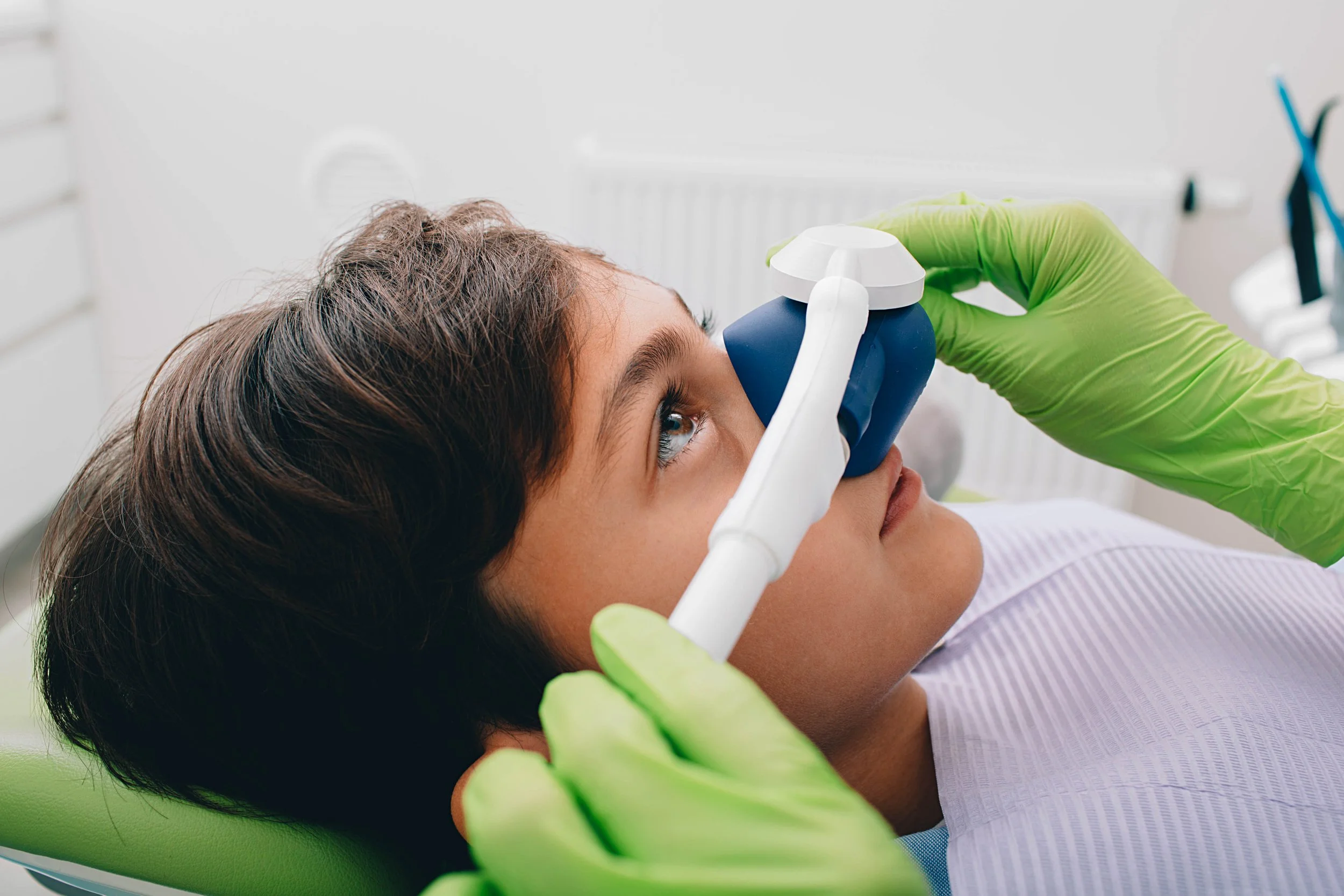
Nitrous Oxide (Laughing Gas) is a mild form of sedation that helps children relax while remaining awake and responsive. It wears off quickly, allowing most children to resume normal activities the same day.
Oral Conscious Sedation involves taking medication by mouth before the appointment. Children remain awake but feel drowsy and relaxed, which can help them tolerate longer procedures.
IV Sedation provides a deeper level of relaxation and is closely monitored throughout the procedure.
General Anesthesia allows the child to sleep completely through treatment. It is typically reserved for complex cases and is provided in a hospital or surgical center setting.
How Pediatric Dentists Choose the Right Level of Sedation
Choosing the appropriate level of sedation is a careful, individualized decision. Pediatric dentists consider a child’s age, medical history, emotional development, previous dental experiences, and the type of treatment needed.
Dentists also evaluate whether treatment can be safely completed using behavior guidance techniques alone. Sedation is recommended only when it provides a clear benefit and supports the child’s overall well-being. Parents are involved in this decision-making process and are encouraged to ask questions before moving forward.
Is Sedation Dentistry Safe for Kids?
Yes. When provided by trained pediatric dental professionals, sedation dentistry is considered safe. Pediatric dentists receive specialized education in child development, sedation techniques, airway management, and emergency response.
The American Academy of Pediatric Dentistry (AAPD) establishes detailed guidelines for pediatric sedation. These standards outline requirements for patient evaluation, monitoring, staffing, and emergency preparedness. Adhering to these guidelines helps protect children before, during, and after sedation.
Sedation medications used in pediatric dentistry are carefully selected and dosed based on a child’s weight, age, and health history to reduce risks and support predictable recovery.
Why Pediatric-Specific Training Matters
One of the most important factors in sedation safety is who is providing the care. Pediatric dentists receive additional years of training beyond dental school that focus exclusively on treating children. This includes education in child development, behavior management, growth patterns, and pediatric-specific medical considerations.
According to standards supported by the American Academy of Pediatric Dentistry, pediatric dentists are trained to evaluate a child’s physical and emotional readiness for sedation, select appropriate medications, and respond to emergencies if they arise. Children are not simply “small adults,” and their bodies respond differently to medications, which is why specialized training is essential.
This additional expertise allows pediatric dentists to tailor sedation plans to each child’s age, size, health history, and developmental needs, reducing risk and improving outcomes.
At Midtown Pediatric Dentistry in Oklahoma City, Dr. Sarah Karnish is board-certified through the American Board of Pediatric Dentistry. She completed her pediatric dentistry residency at the University of Tennessee College of Dentistry, where her training included behavior management and conscious oral sedation.
How Pediatric Dentists Keep Children Safe During Sedation
Safety begins well before the appointment. Pediatric dentists review a child’s medical history, current medications, and overall health to determine whether sedation is appropriate. Parents receive clear pre-appointment instructions to reduce risk and support a smooth experience.
During treatment, children are continuously monitored for breathing, heart rate, and oxygen levels. Pediatric dental offices use child-sized monitoring equipment and maintain emergency supplies. Team members are trained to recognize and respond quickly to any changes in a child’s condition.
After treatment, children are monitored until they are alert and stable, and parents receive detailed instructions for at-home care.
Pre-Sedation Evaluations and Medical History Review
Before sedation is ever considered, pediatric dentists conduct a thorough evaluation of a child’s medical history. This includes reviewing current medications, allergies, previous reactions to anesthesia or sedation, and any underlying medical conditions that could affect treatment.
Parents may be asked detailed questions about sleep patterns, breathing issues, or past medical procedures. These questions help the dental team identify potential risk factors and determine whether sedation is appropriate or if alternative approaches should be considered.
This careful screening process is a critical safety step and reflects national pediatric dentistry guidelines designed to protect children before, during, and after sedation.
Understanding the Difference Between Sedation and Anesthesia
Many parents use the terms “sedation” and “anesthesia” interchangeably, but they are not the same. Sedation includes a range of options that allow children to remain relaxed, responsive, or lightly asleep, depending on the method used. General anesthesia involves complete unconsciousness and is reserved for specific situations.
Understanding this difference can help parents feel more comfortable discussing treatment options and asking informed questions about their child’s care.
How to Prepare Your Child for Sedation Dentistry
Preparation can help reduce anxiety and support a smoother visit. Your dental team will provide specific instructions, which may include fasting guidelines or medication timing.
Parents can also help by:
Dressing children in comfortable clothing
Bringing a favorite toy or blanket
Speaking calmly and positively about the visit
Avoid using frightening language or sharing personal dental fears. Simple, reassuring explanations help children feel safe and prepared.
What to Expect After Sedation
After sedation, children may feel sleepy, groggy, or slightly unsteady. These effects are usually temporary and fade within a few hours. Rest and quiet activities are recommended for the remainder of the day.
Parents should monitor their child closely and contact the dentist if they notice prolonged vomiting, difficulty breathing, or unusual behavior. Clear post-treatment instructions help ensure a safe and comfortable recovery.
Recovery Looks Different for Every Child
Children recover from sedation at different rates depending on the type of sedation used, the length of the procedure, and individual factors such as age and sensitivity to medication. Some children may bounce back quickly, while others may need additional rest for the remainder of the day.
Parents are often advised to keep their child home, encourage quiet activities, and offer soft foods until full alertness returns. Temporary changes in mood, appetite, or coordination can be normal, but these effects typically resolve within a short period. Understanding that recovery varies helps parents feel reassured and better prepared to support their child at home.
When Sedation May Not Be Necessary
Not every child requires sedation. Pediatric dentists often use behavior guidance techniques, such as explaining procedures in child-friendly terms, offering encouragement, and creating a supportive environment. For routine visits or children with mild anxiety, these approaches may be sufficient. Sedation is recommended only when it truly supports a child’s comfort, safety, and emotional well-being.
Alternatives Pediatric Dentists May Try First
Sedation is never the first option by default. Pediatric dentists are trained to use a variety of non-pharmacological behavior guidance techniques that help children feel safe and comfortable during dental visits.
These may include gradual exposure to dental tools, age-appropriate explanations, positive reinforcement, and allowing extra time for acclimation. For many children, these approaches are enough to create a positive experience without sedation. Knowing that sedation is considered carefully and not routinely can reassure parents who may worry that it is being recommended too quickly.
Common Concerns Parents Have About Sedation
It’s normal for parents to feel uneasy when sedation is discussed. Many worry about loss of control, side effects, or how their child will react emotionally. Pediatric dentists expect these concerns and encourage open conversations before treatment.
Parents should feel comfortable asking why sedation is being recommended, what alternatives exist, and what safety measures are in place. Clear communication helps ensure that families feel informed and involved in every decision.
Parent FAQs
Q: Is sedation the same as general anesthesia?
A: No. Sedation ranges from mild relaxation to deeper sleep, while general anesthesia involves complete unconsciousness.
Q: Will my child feel pain during treatment?
A: Local anesthesia is always used to prevent pain, regardless of sedation level.
Q: Are there long-term effects of sedation?
A: Sedation medications are short-acting and do not cause long-term effects when properly administered.
Q: Will my child remember the procedure?
A: This varies depending on the type of sedation and the individual child.
Supporting Safe, Comfortable Dental Care
Sedation dentistry can be a safe and effective option for children who need additional support during dental treatment. With careful evaluation, trained providers, and strict safety protocols, parents can feel confident in their child’s care.
If you have questions about sedation dentistry or want to know whether it may be appropriate for your child, the team at Midtown Pediatric Dentistry is here to guide you through every option with care and compassion.